Consolidated Plan

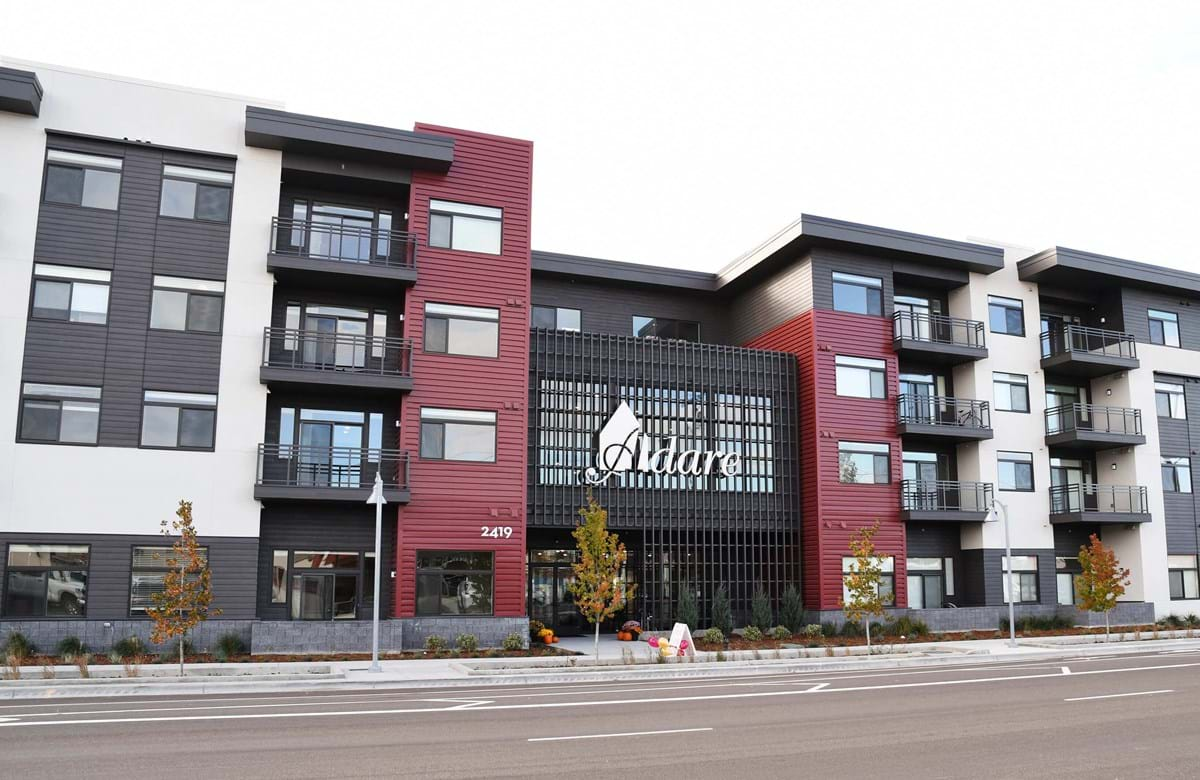
Exterior of Adare apartments in Boise

Investment in Our Community

Every year, the City of Boise receives Community Development Block Grant (CDBG) and Home Investment Partnerships (HOME) funding from the U.S. Department of Housing and Urban Development (HUD) to address a wide range of community development needs, including community improvement projects and projects/services that focus on low-to-moderate income households.

What is the Consolidated Plan?

According to HUD, the Consolidated Plan "helps states and local jurisdictions to assess their affordable housing and community development needs and market conditions, and to make data-driven, place-based investment decisions."

The City is currently drafting its Five-Year Consolidated Plan for 2026-2030, which will identify priorities and goals around housing and community needs that will guide federal investments over a five-year period (Oct. 1, 2026 – Sept. 30, 2031). In addition to compiling and analyzing data and market analysis, the Plan considers City strategic priorities and feedback from extensive community outreach efforts conducted in Fall 2025, including resident and community partner surveys, focus groups, and consultations. As part of the Consolidated Plan process, the City is also updating its Citizen Participation Plan, which outlines how the City will involve residents in its planning, implementation, and assessment of federally-funded programs/projects.

Annual Action Plan

Each year, the City develops an Annual Action Plan that provides information about how annual funding will be used in the community for the upcoming program year. This funding, along with resources that were not spent in the previous year, will be invested in projects that support the goals and needs identified in the Consolidated Plan.

The upcoming Annual Action Plan for the 2026 Program Year (Oct. 1, 2026 – Sept. 30, 2027) will be the first year of the new Five-Year Consolidated Plan. The planning and community outreach process was combined with the larger Consolidated Plan process that started in Fall 2025, and included resident and community partner surveys, focus groups, and consultations. The City will continue to operate its Home Improvement and Homeownership Opportunity Programs, provide funding to local organizations offering services to community members, and invest in opportunities to develop and preserve affordable housing.

Boise City Hall from the front

Get Involved

1st Public Hearing

The city held a public meeting April 15, 2026, at Boise City Hall (virtual and in-person options) to provide information about the Consolidated Plan and Annual Action Plan processes, housing and community needs and goals identified, and how federal funds will be invested in projects in the upcoming 2026 Program Year and over the next five years.

2nd Public Hearing

A second public hearing will be held at a Boise City Council meeting before finalizing the Plans for submission to HUD.

Date: June 2, 2026
Time: pending Boise City Council Agenda
Location: Boise City Hall, Council Chambers (3rd Floor)
How to participate: https://www.cityofboise.org/departments/city-clerk/public-meetings/

Public Comment

The community was invited to share feedback on the drafts of the Consolidated Plan, 2026 Annual Action Plan, and Citizen Participation Plan from April 20, 2026 – May 19, 2026.

A second public comment period for the updated draft Consolidated Plan and 2026 Annual Action Plan will be open from June 3, 2026 – July 2, 2026.

In addition, the City is making a substantial amendment to the 2025 Annual Action Plan currently in effect (Oct. 1, 2025 – Sept. 30, 2026), which will also be available for review and public comment from June 3, 2026 – July 2, 2026.

Documents will be posted here, and notice will be advertised on the city's Public Comment Opportunities webpage and in the Idaho Statesman.

Community Survey and Focus Groups

Community surveys were open from September 9, 2025 – November 2, 2025. Responses and feedback were received from 1,560 residents and 32 community partners. Survey results will be included with the Consolidated Plan draft.

Boise residents were also invited to participate in focus groups to learn more about the City's federal funds, planning process, and to provide input about community needs and priorities. Two resident focus groups were held in the fall, along with four smaller targeted focus groups to gather input from low-income residents, including seniors, people with disabilities, and people experiencing homelessness. The city also conducted one focus group for partner agencies.

The City of Boise is committed to ensuring equal access to all public meetings, programs, and services. Reasonable accommodations and effective communication – such as ASL interpretation, materials in alternative formats and language access – are available at no cost to facilitate participation. To request an accommodation, please contact us at communityengagement@cityofboise.org or call 208-972-8500, TTY: 711.

What Funding Can and Cannot be Used For

CDBG Funds Can be Used For

CDBG Funds Cannot be Used For

Mortgage down payment assistanceConstructing housing or government buildings
Public improvements (parks, sidewalks)General government expenses
Public services (childcare, job training)Financing political activities
Economic developmentPurchasing equipment
Housing rehabilitation to make homes more energy-efficient/accessible/safeOperating and maintenance expenses

The HOME program provides funding for building, buying, and/or rehabilitating affordable housing for rental or homeownership.

City of Boise Projects Funded by CDBG and HOME

The City of Boise has invested funds into community projects, such as: 

  • All-accessible playground at Hillcrest Elementary 
  • Picnic shelter at Grace Jordan Elementary School 
  • New sidewalks along Canal Street  
  • Art in the medians along Vista Ave. 
  • Transit improvements along Vista Ave. (shelters, benches, bike racks and art) 

As well as assistance and loan programs for income-qualified individuals and affordable housing projects: 

  • Between 2018-2020, the City of Boise provided 31 loans worth nearly $4 million to income-qualified individuals and for the development of affordable housing. 

Funding Distribution

Individuals and families whose income is at or below 80% Area Median Income may qualify for services.  

Income Guidelines

Message Sent Successfully!

Message Failed To Send.

Send a Message to HCD

Thank you for your interest in Housing and Community Development (HCD). Please use the contact information below to reach out to the HCD team.